
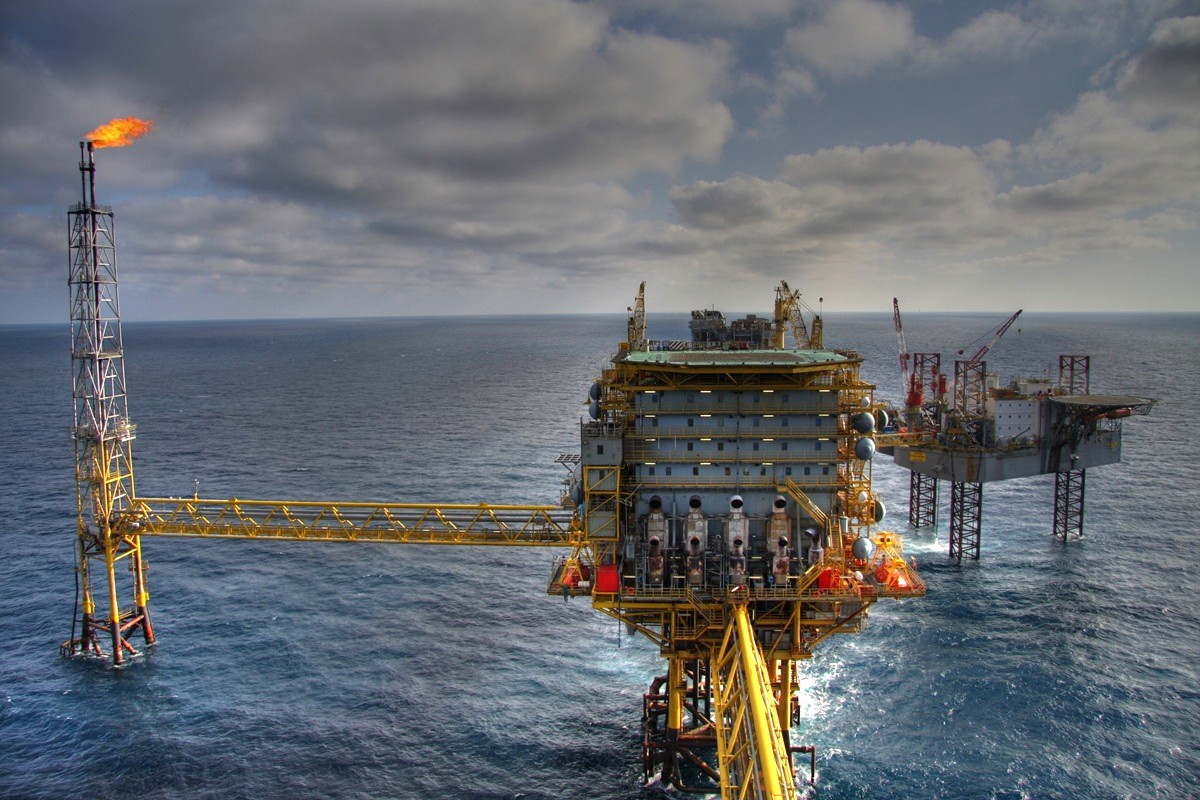
The extraction of crude oil from offshore environments is an essential part of the global energy industry. As onshore oil reserves become more limited, many countries rely on offshore drilling to access large deposits of hydrocarbons located beneath the seabed.
The process begins with detailed geological and seismic surveys to identify potential oil-bearing formations. Once a viable site is confirmed, drilling operations are carried out using offshore platforms or advanced floating rigs. These structures allow engineers to drill deep into the ocean floor and extract crude oil, which is then transported through pipelines or tankers to refineries.
Offshore oil production involves a range of sophisticated technologies, including subsea systems, remote monitoring tools, and automated drilling equipment. These innovations help improve efficiency, safety, and production accuracy, even in deepwater and harsh marine conditions.
Economically, offshore oil extraction plays a significant role in supporting global energy needs. It creates employment opportunities, contributes to national revenues, and strengthens energy security for many countries.
However, the industry also faces serious environmental and operational challenges. Oil spills, equipment failures, and routine discharges can negatively affect marine ecosystems and biodiversity. In addition, offshore operations are complex, expensive, and require strict safety measures due to unpredictable weather and high-pressure underwater environments.
In conclusion, while offshore crude oil extraction remains vital for meeting global energy demand, it must be carefully managed. Strong regulations, advanced technology, and responsible practices are necessary to balance economic benefits with environmental protection.

Comment (1)
hello world
hello world
Comments are closed.